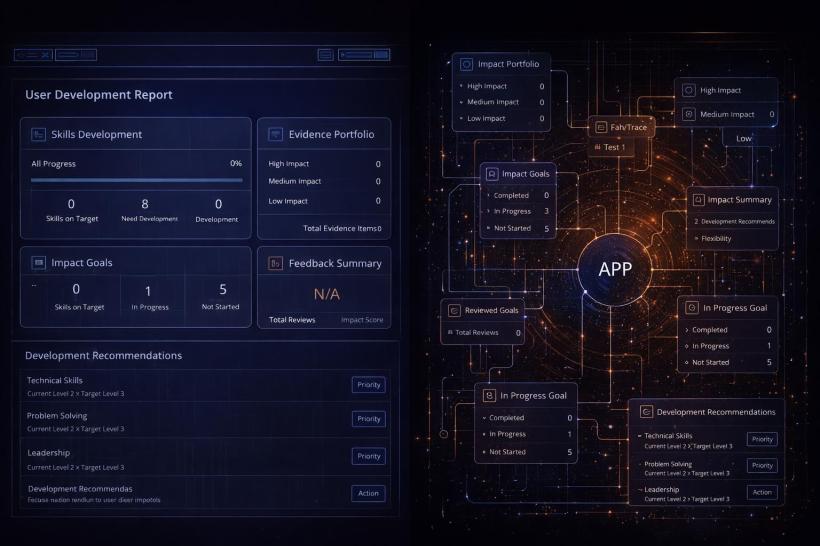
I Let BearQ Loose on My Own App Through Two Lenses: Tester and Engineering Leader

Part 4 in "The Autonomous Testing Tipping Point" series If you've been following along, you'll know we've been exploring application integrity, the gap opening up between AI-accelerated development and our ability to test what we're shipping, and the broader implications for how we think about quality. In this one, I want to get hands-on. I've [...]
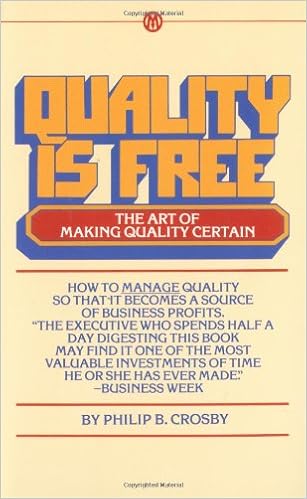
Adapting Crosby’s 4 absolutes of quality into a software context

Philip Crosby has a big reputation as being a quality leader in the manufacturing industry, having authored many books on quality between 1968 and 1999. Some of his well known work that he's quoted on regularly include: "quality is free", "zero defects through prevention", and his "4 absolutes of quality". Although Crosby spoke of these [...]

Risk Based Testing | Part Two | Uncovering risks

Welcome to part two of this three part series on the relationship between Testing and Product Risks. In part one, I discussed the idea and benefits of talking about testing product risks instead of talking about types of testing. If you missed that post, you can view it here. In this second part, I'll talk [...]

Risk Based Testing | Part One | Talking About Risks Over Types of Testing

This is the first post of a three posts about the relationship between Testing and Product Risks. In this post, I'm introducing the idea of focusing the conversations about testing on being related to types of risks over the common way of talking about testing in terms of types of testing. Types of testing? Or [...]

#NoTesting?? Here’s what it means to me.

The #NoTesting hashtag is having a bit of a resurgence recently, so I thought I would jump on the bandwagon and write down my opinions on the whole thing. The term is very confusing to say the least. Many people take it to mean "don't do any testing", which is understandable that they interpret it [...]

“Acceptance Testing” – What does it mean?

There are loads of people who use the term "acceptance testing"... Most people have different definitions of what this means. And more still will struggle to even define what they mean personally with the term when they say it. I also regularly hear the words "feature files" mentioned in some of those conversations when people are [...]

Information, and its relationship with testing and checking

UPDATE: Thanks to John Stevenson for his feedback of the model, I've updated the model appropriately to represent the fact that checking activities also inform our testing, (as John described in the comments below). Also, thanks again to everyone else who has reviewed and fed back on the model too.  One of the biggest problems [...]

Experiences of LTG Workshops 2015

The "LTG Workshops" conference is a two-day, two-track conference consisting of eight 4 hour workshops over the two days. I had the privilege of running a workshop on the first day, about "Visual Creativity" with Christina Ohanian. We spoke about Sketch Noting and Mind Mapping, and how they are extremely useful things to incorporate into your requirement gathering [...]

A Real(ly Questionable) ISTQB Question…

So... Another blog post stemmed from the depths of the LinkedIn forums. This time someone was asking for advice about answering an ISTQB exam question. The question is as follows (with this exact wording): If you are flying with an economy ticket, there is a possibility that you may get upgraded to business class, especially if [...]

“The purpose of business is to create and keep a customer” – Peter F. Drucker

Today, I read an interesting quote today from one of Bob Marshall's blog posts that really got my brain cogs working... “The purpose of business is to create and keep a customer.”                                                     [...]